STEM & Robotics
-
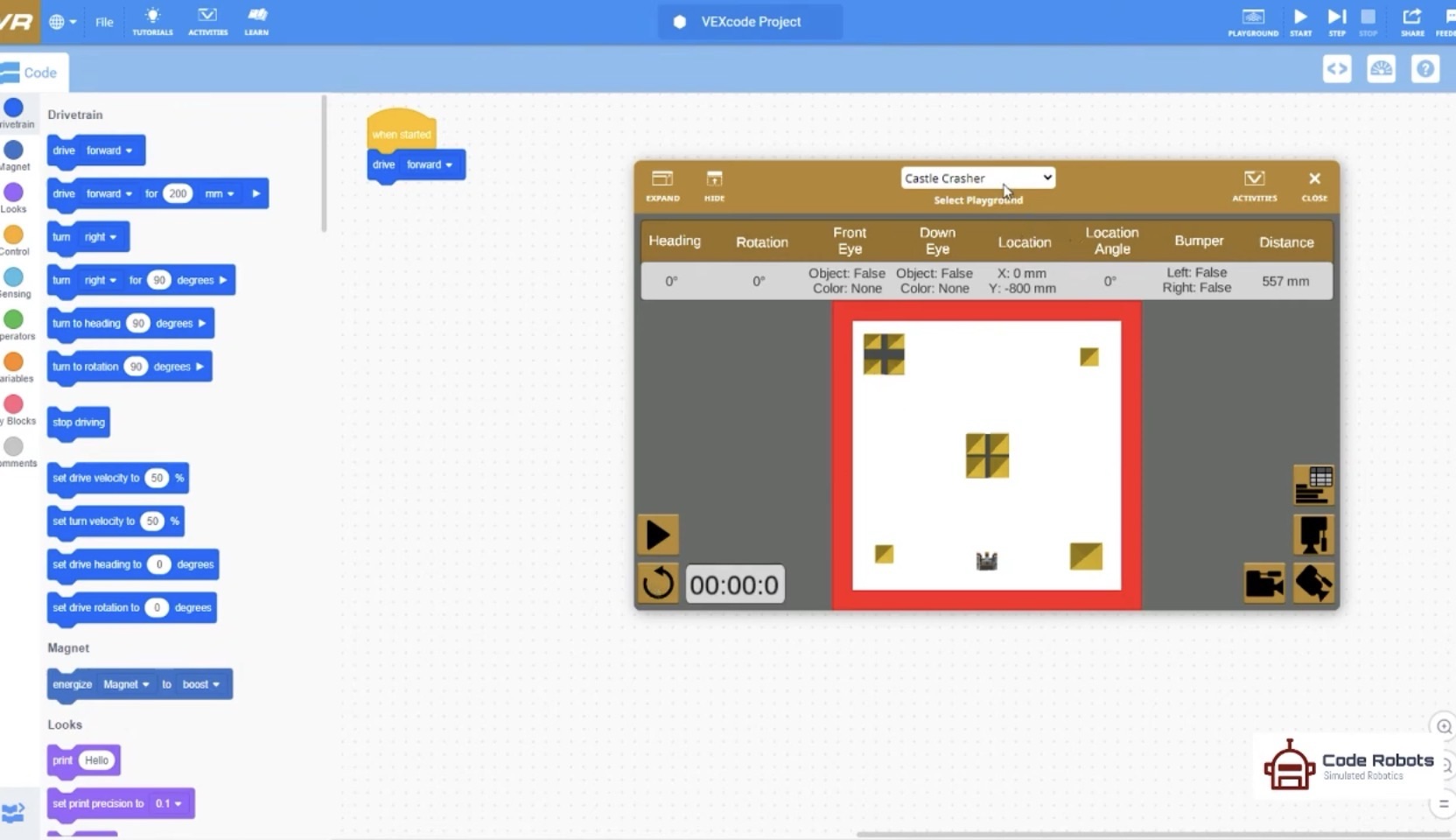
🤖 Why VEX Robotics Belongs in the Gifted Classroom: It’s Not Just About Coding!
-
When a Rubber-Band Racer Becomes a Micro:bit Data Lab
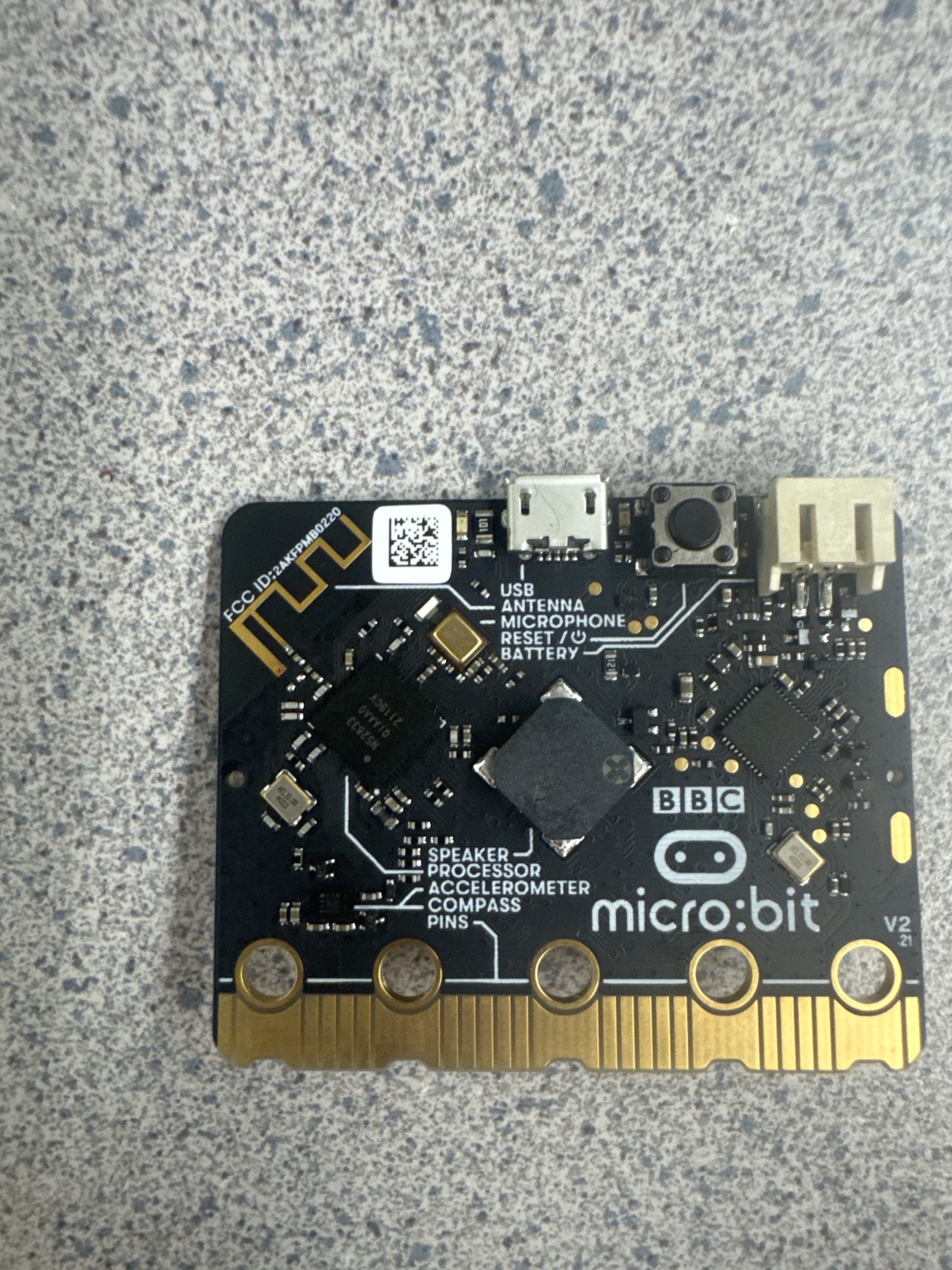
Adding a micro:bit accelerometer transforms a rubber-band racer from a simple building activity into an evidence-based engineering investigation. Students can compare launches, side-to-side movement, vibration and impacts while testing design changes under controlled conditions. By following a predict–test–analyze–improve routine and completing a claim-evidence-reasoning response, students use real data to explain how modifications affect performance. The…
-
Stop Researching Other Countries: Let Students Become Local Data Experts

The Global Innovation Lab: Every Drop Counts transforms traditional country research into an authentic global collaboration. Each classroom investigates its own community’s water sources, use, challenges, and conservation efforts before contributing findings to a shared dashboard. Students compare common indicators, question patterns and differences, and consider the context behind the data. They then use what…
-
💻 Why Coding Belongs in the Gifted Classroom

It’s Not Really About Teaching Kids to Code By Beth Smith, M. Ed. | #smithingifted When people hear that we use coding in #smithingifted, they may assume I’m trying to turn every student into a computer programmer. I’m not. Some of my students may eventually become software engineers. Others may become doctors, teachers, architects, scientists,…
-
🌬️ From Wind to Work: Building the TeacherGeek Wind Lift 2.0 in the Gifted Classroom

Building the TeacherGeek Wind Lift 2.0 transforms wind energy into a hands-on engineering challenge in the #smithingifted classroom. Students build a working wind-powered lifting system, trace how energy moves from wind to blades to rotation and lift, and then test its performance using real data. By changing variables such as blade number, size, angle, and…
-
#smithingifted Teacher Lab: Where Teaching Ideas Get Tested
The #smithingifted Teacher Lab is a place where teaching ideas move from theory into real classrooms. I’ll share the successes, challenges, surprises, and adjustments that come from using gifted education, STEM, robotics, technology, and creative-thinking strategies with real students. But the Teacher Lab isn’t just about my classroom—teachers who use #smithingifted curriculum can share their…
-
💧 From Data to Innovation: The Every Drop Counts Google Sheet
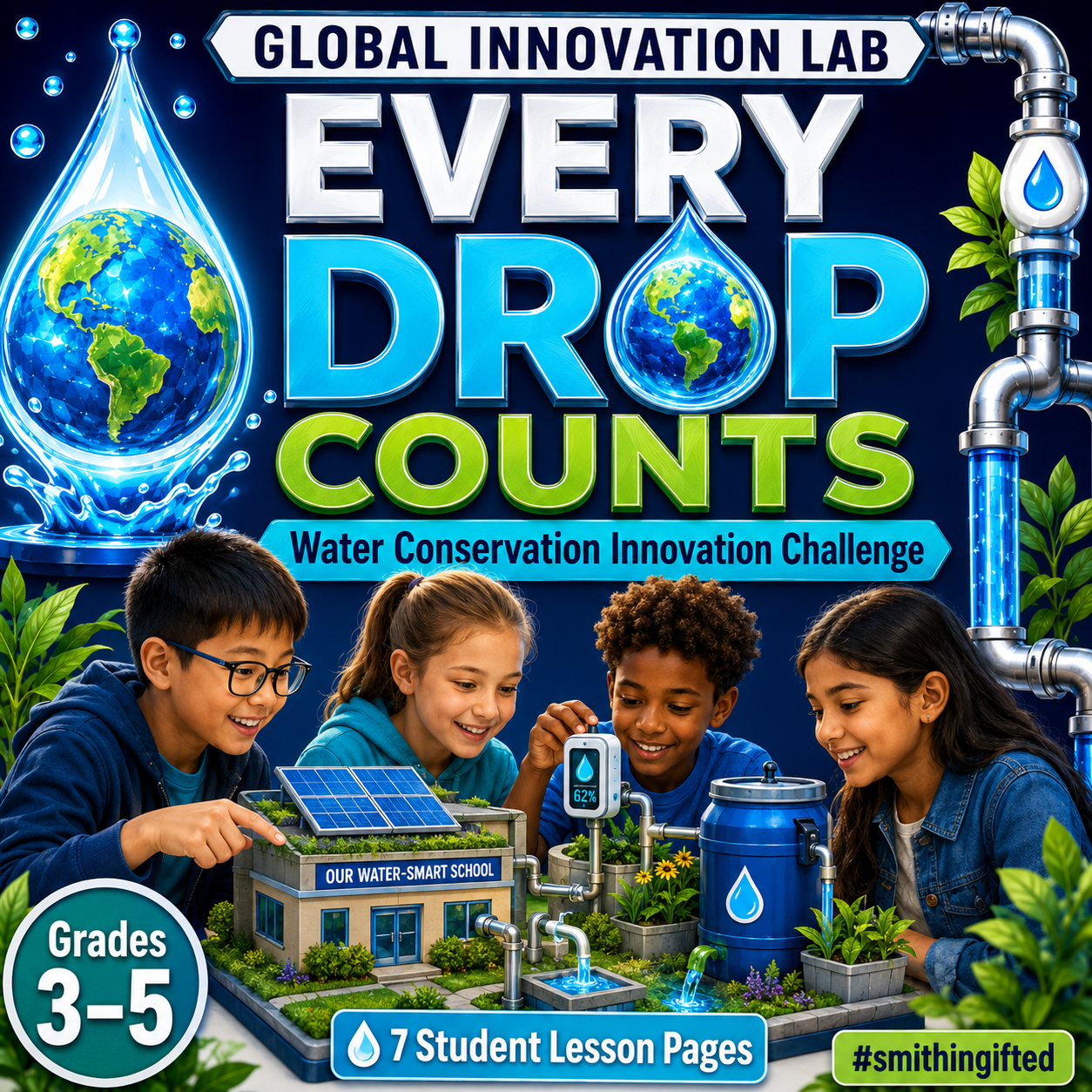
What if a Google Sheet could move students from researching global water problems to thinking like Water Systems Engineers? See how the Every Drop Counts KPI Tracker helps gifted students compare countries, analyze inequities, uncover patterns, and turn real-world data into evidence-based innovation.
-
Why I Use Disruption Cards in My Gifted Classroom
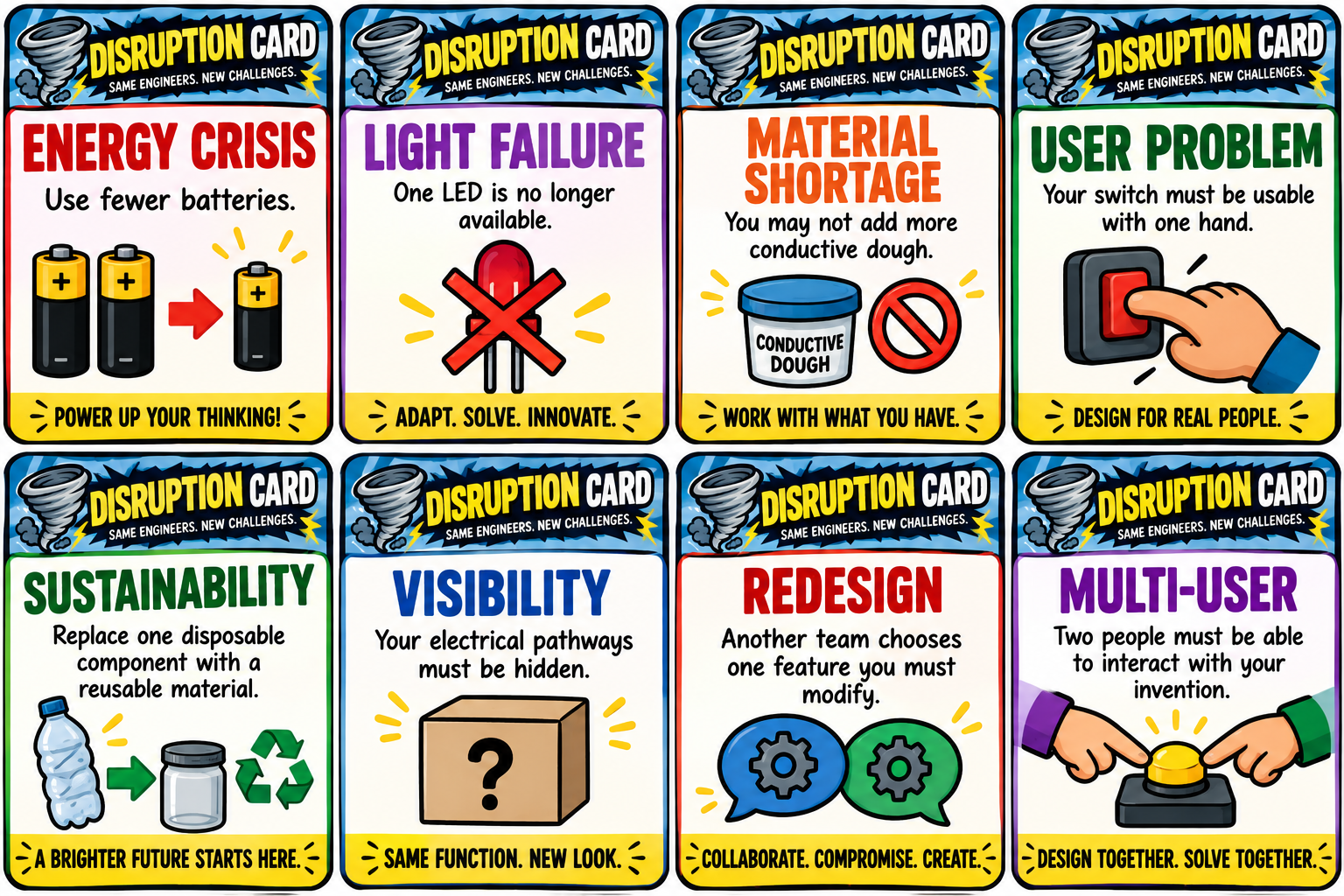
Disruption Cards add unexpected constraints to STEM challenges, pushing gifted students beyond simply “getting it right” and into deeper problem solving. By changing materials, requirements, or design conditions mid-project, students practice flexibility, perseverance, systems thinking, debugging, and evidence-based redesign. Instead of rescuing students when something goes wrong, teachers guide them with questions that encourage productive…
-
The Goal Is Not the Marble: How Turing Tumble Builds Productive Struggle
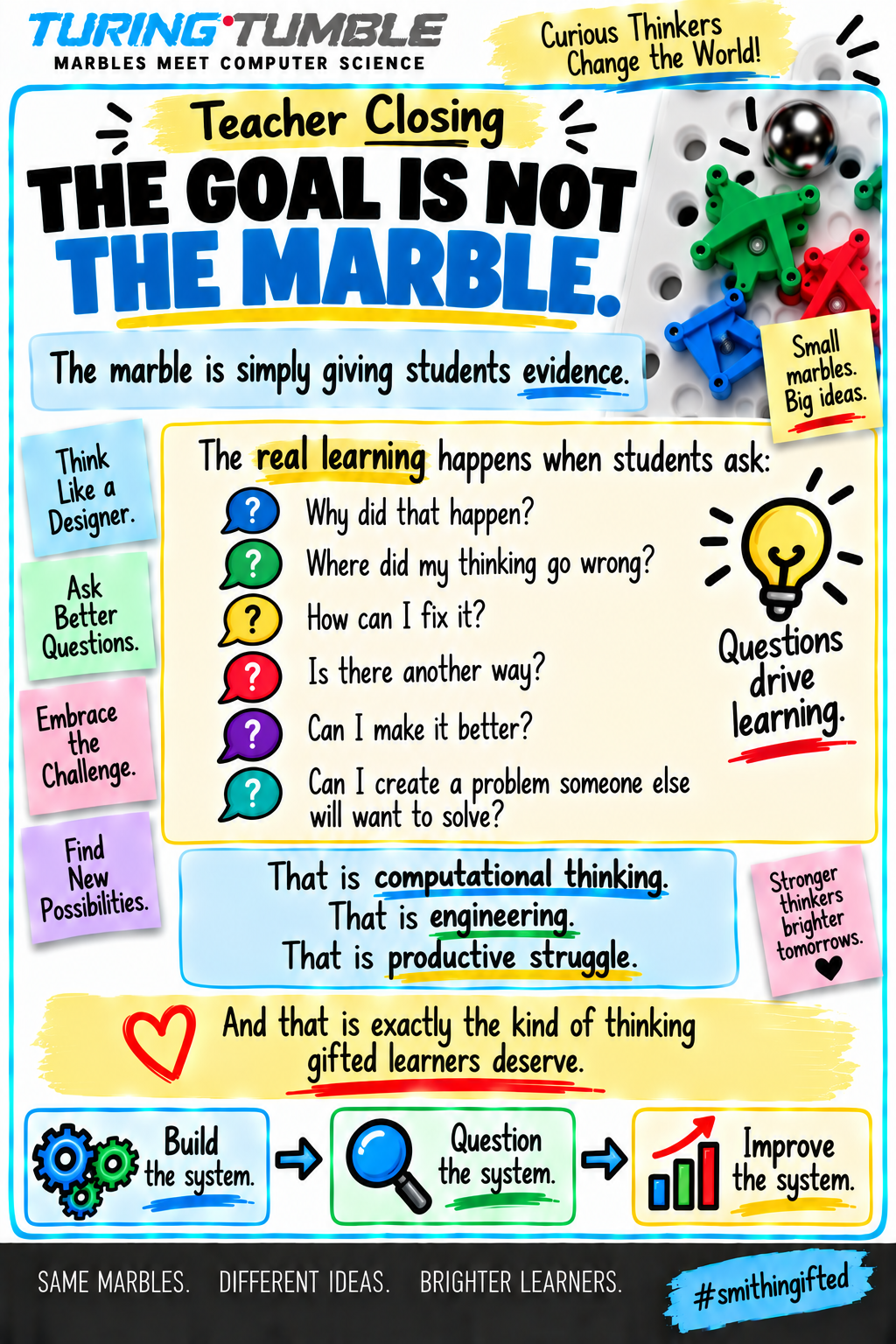
By Beth Smith, M. Ed.. | #smithingifted A student releases the first marble. It rolls down the board, hits a ramp, changes direction—and completely misses the path the student expected it to take. The student looks at the board. Then at me. Then back at the board. “It didn’t work.” This is the moment when…
-
The Global Innovation Lab Is Coming to the NMAGT Fall Institute 2026 🌎💡

This blog post introduces The Global Innovation Lab, a student-centered learning experience designed to help gifted learners tackle real-world challenges through collaboration, creativity, design thinking, data analysis, and systems thinking. It also highlights the program’s upcoming appearance at the New Mexico Association for the Gifted Fall Institute 2026: Unmasking Brilliance, where educators can learn how…