STEM
-
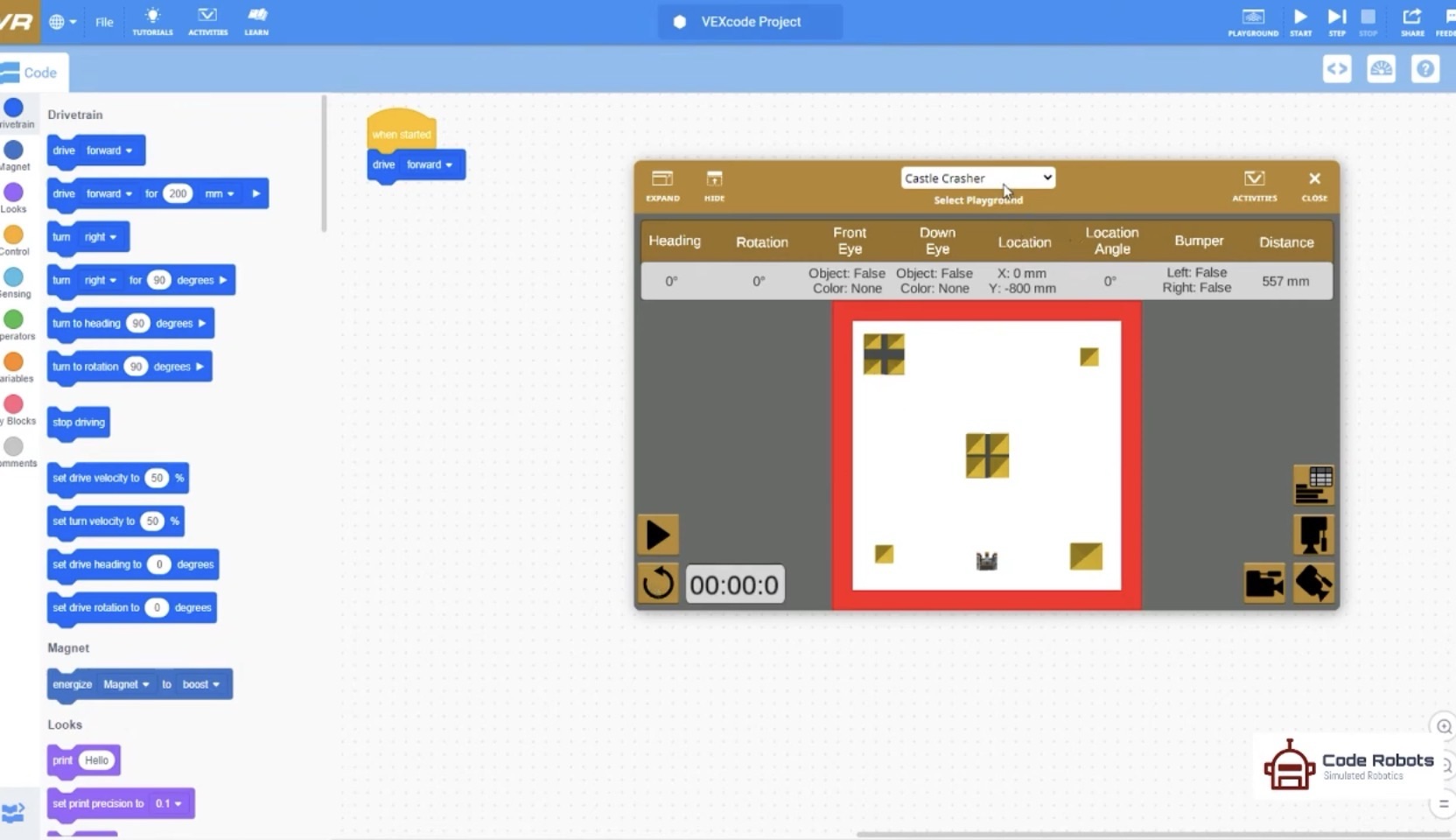
🤖 Why VEX Robotics Belongs in the Gifted Classroom: It’s Not Just About Coding!
-
Gifted Students Need Gifted Peers: It’s About More Than Academics
Beth Smith, M. Ed. |#smithingifted | Gifted Education | Learning & Innovation When we talk about meeting the needs of gifted students, the conversation often focuses on curriculum, acceleration, differentiation, and academic challenge. But there is another important component of gifted education that sometimes gets overlooked. Gifted students need opportunities to interact with other gifted…
-
Gifted Is More Than Just a Deep Dive!

Gifted Is More Than Just a Deep Dive! Gifted education is about more than providing deeper or more elaborate assignments. While depth and complexity are important, gifted students also need acceleration, curriculum compacting, meaningful challenges, and opportunities to explore new learning. Effective gifted instruction begins by identifying what students already know and determining what they…
-
When a Rubber-Band Racer Becomes a Micro:bit Data Lab
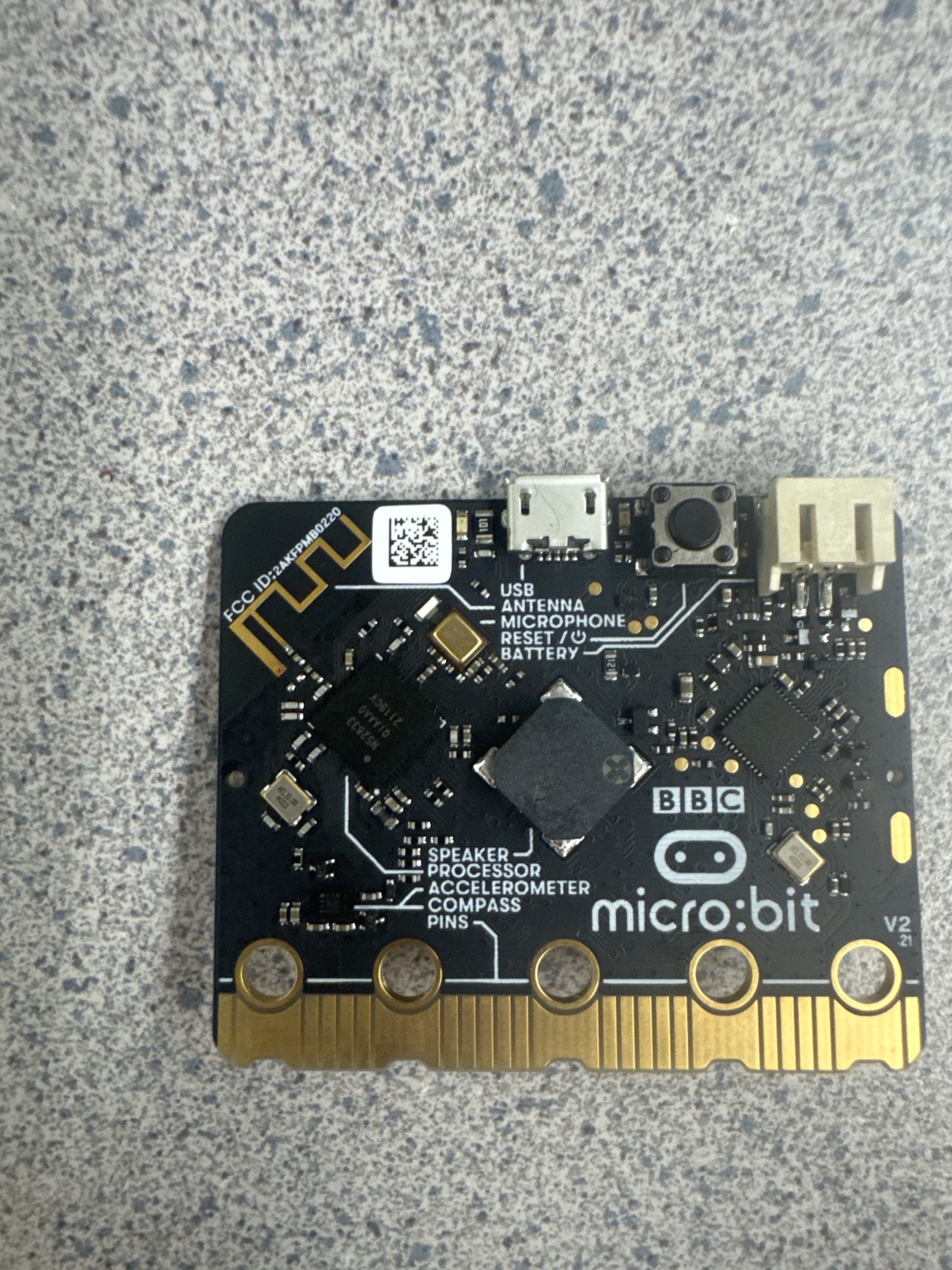
Adding a micro:bit accelerometer transforms a rubber-band racer from a simple building activity into an evidence-based engineering investigation. Students can compare launches, side-to-side movement, vibration and impacts while testing design changes under controlled conditions. By following a predict–test–analyze–improve routine and completing a claim-evidence-reasoning response, students use real data to explain how modifications affect performance. The…
-
💻 Why Coding Belongs in the Gifted Classroom

It’s Not Really About Teaching Kids to Code By Beth Smith, M. Ed. | #smithingifted When people hear that we use coding in #smithingifted, they may assume I’m trying to turn every student into a computer programmer. I’m not. Some of my students may eventually become software engineers. Others may become doctors, teachers, architects, scientists,…
-
#smithingifted Teacher Lab: Where Teaching Ideas Get Tested
The #smithingifted Teacher Lab is a place where teaching ideas move from theory into real classrooms. I’ll share the successes, challenges, surprises, and adjustments that come from using gifted education, STEM, robotics, technology, and creative-thinking strategies with real students. But the Teacher Lab isn’t just about my classroom—teachers who use #smithingifted curriculum can share their…
-
Why I Use the 24 Math Game in My 3rd–5th Grade Gifted Classroom
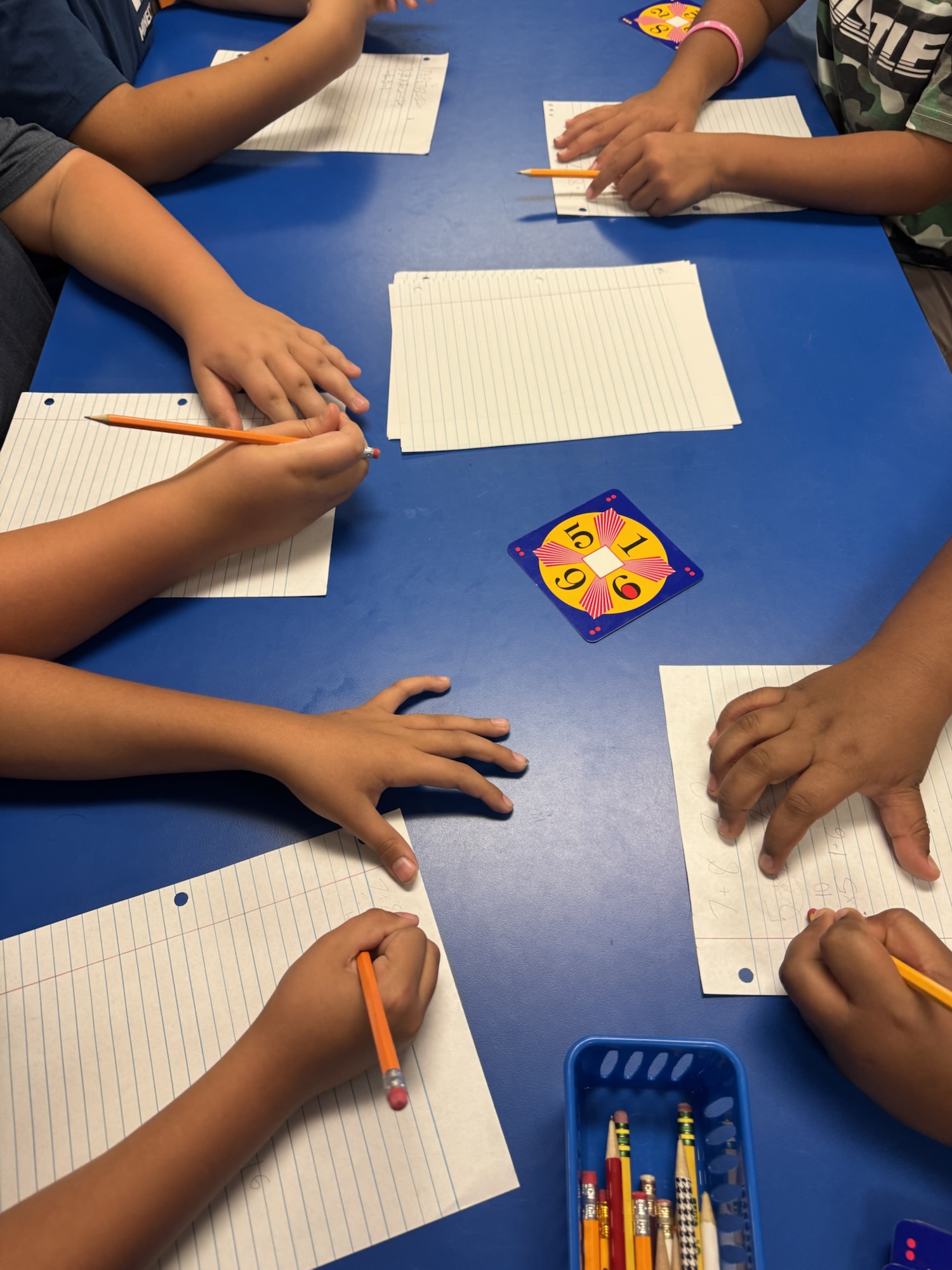
The 24 Math Game is a simple but powerful way to build number sense, flexible thinking, problem solving, and productive struggle in the 3rd–5th grade gifted classroom. Students use four numbers and different operations to make 24, but the real learning goes far beyond getting the correct answer. Students must explain and defend their reasoning…
-
Why I Use Disruption Cards in My Gifted Classroom
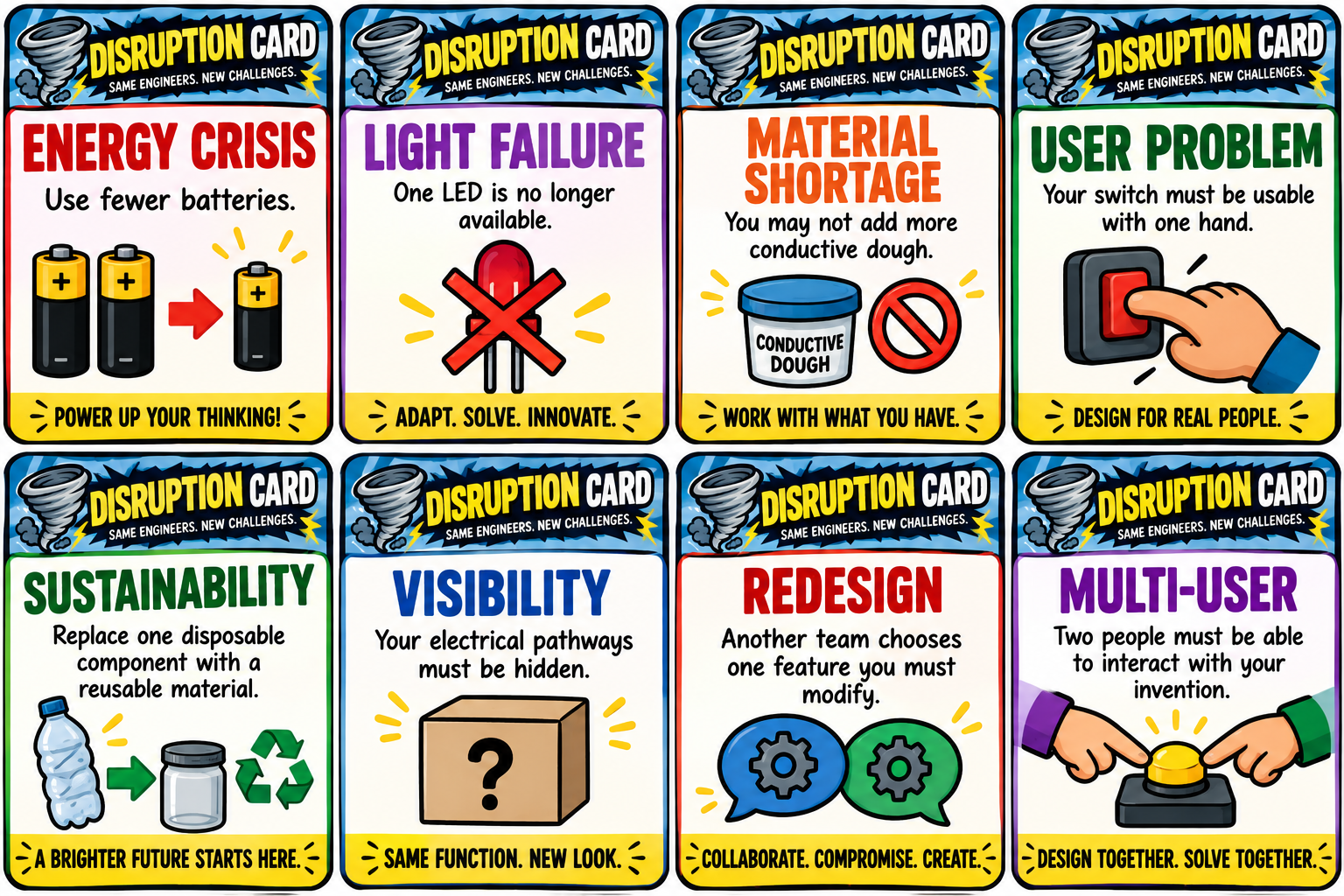
Disruption Cards add unexpected constraints to STEM challenges, pushing gifted students beyond simply “getting it right” and into deeper problem solving. By changing materials, requirements, or design conditions mid-project, students practice flexibility, perseverance, systems thinking, debugging, and evidence-based redesign. Instead of rescuing students when something goes wrong, teachers guide them with questions that encourage productive…
-
The Goal Is Not the Marble: How Turing Tumble Builds Productive Struggle
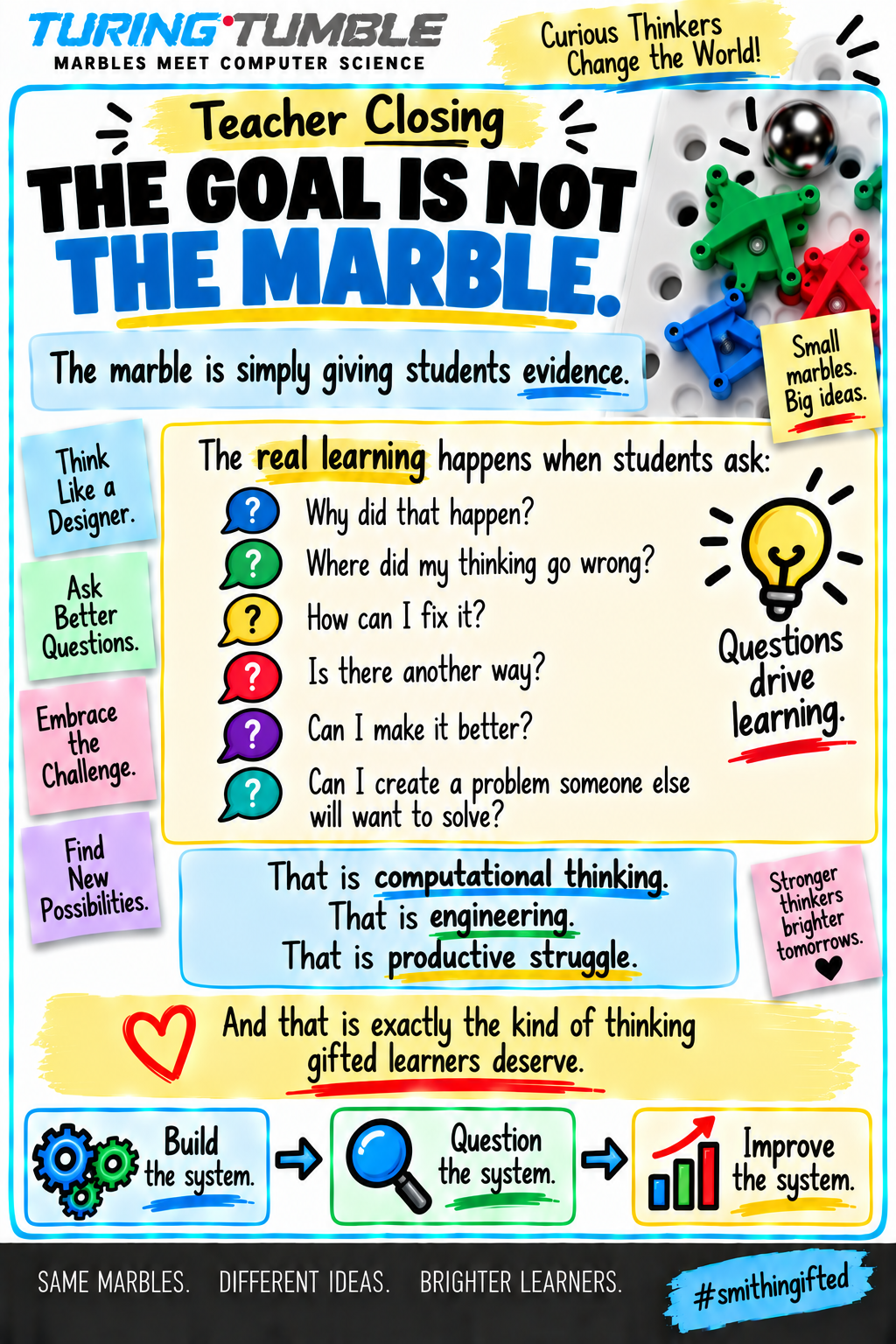
By Beth Smith, M. Ed.. | #smithingifted A student releases the first marble. It rolls down the board, hits a ramp, changes direction—and completely misses the path the student expected it to take. The student looks at the board. Then at me. Then back at the board. “It didn’t work.” This is the moment when…
-
Sometimes the Best Learning Is Locked: Using Breakout EDU in Grades 3–8

This blog post explores how Breakout EDU can transform grades 3–8 classrooms by turning academic content into engaging, collaborative problem-solving experiences. It highlights how Breakout EDU supports critical thinking, productive struggle, communication, perseverance, differentiation, and student reflection across subjects like math, reading, science, and social studies. The post also encourages teachers to move students from…