gifted and talented
-
FarmBeats for Students: Hands-On Agriculture STEM with micro:bit (Grades 3–8)

Discover how FarmBeats for Students and the BBC micro:bit bring agriculture, coding, and engineering together through engaging, hands-on STEM activities. This blog explores how students can collect real-world data, solve authentic farming challenges, and develop critical thinking, problem-solving, and computational skills while preparing for the careers of tomorrow. Perfect for teachers looking to make STEM…
-
What Makes a Great Thinker? Helping Gifted Students Build Minds That Last
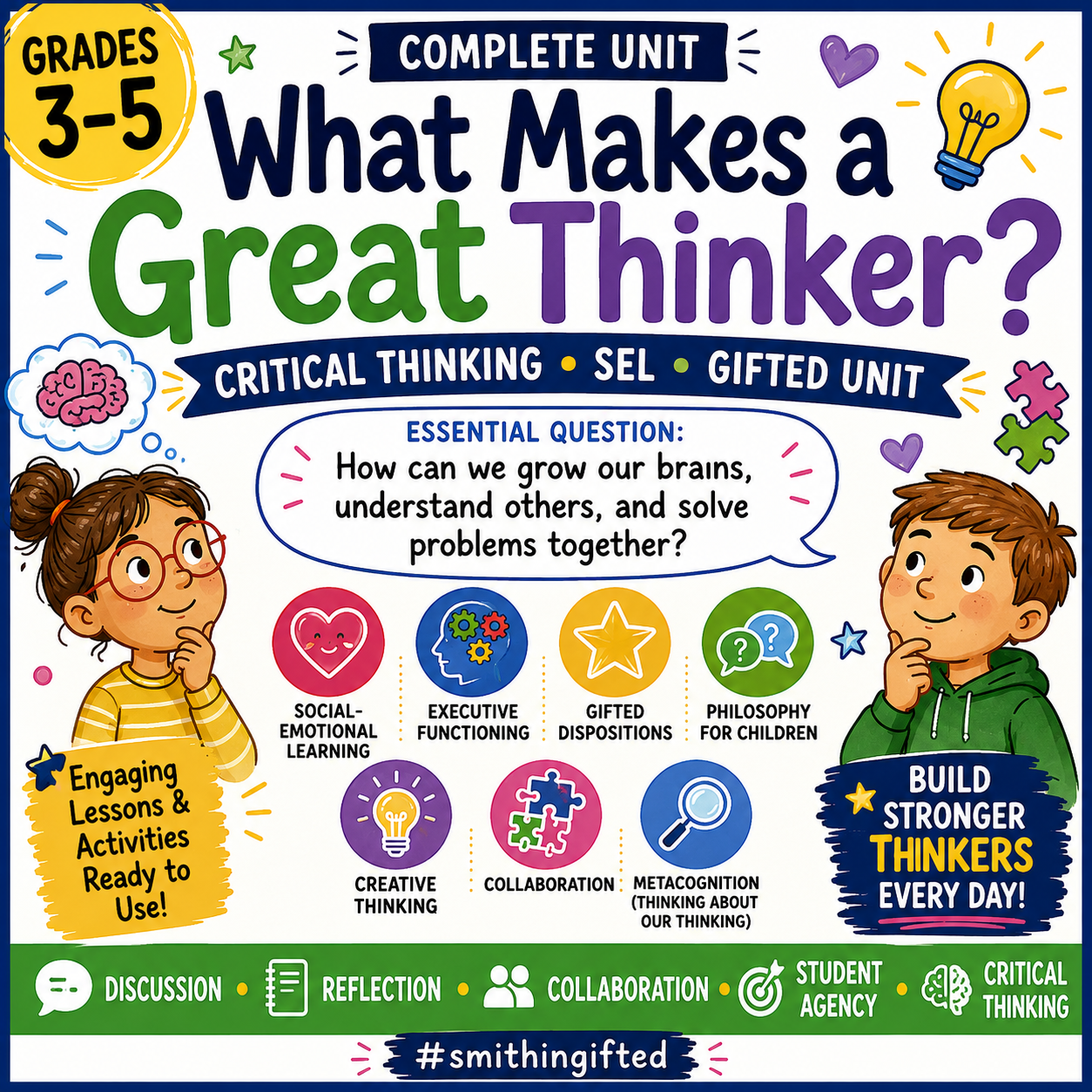
Discover why teaching students how to think is just as important as teaching them what to think. This post explores how social-emotional learning, critical thinking, and Philosophy for Children (P4C) help gifted and advanced learners build curiosity, resilience, empathy, and problem-solving skills. Learn how What Makes a Great Thinker? empowers students to ask meaningful questions,…
-
The Best Listening Activity for 3rd–5th Grade Gifted Students? Podcasts! 🎧
Discover how the Six Minutes podcast can transform your gifted classroom into an engaging hub for critical thinking, close listening, and rich discussion. This blog explores how the mystery-filled storyline promotes inference, evidence-based reasoning, vocabulary development, and collaborative problem-solving while keeping students excited to learn. You’ll also find ideas for integrating listening journals, discussion prompts,…
-
Socratic Seminars for 3–5th Grade Gifted Students

Socratic Seminars help gifted students move beyond simply finding the right answer to asking deeper questions, defending their thinking with evidence, and respectfully engaging with different perspectives. In this post, discover practical strategies for implementing meaningful Socratic Seminars in a 3rd–5th grade gifted classroom while fostering critical thinking, collaboration, communication, and student-led discussion. 📚💬✨
-
🎯 John Hattie’s Visible Learning Research: What It Means for Gifted Students in Grades 3–5
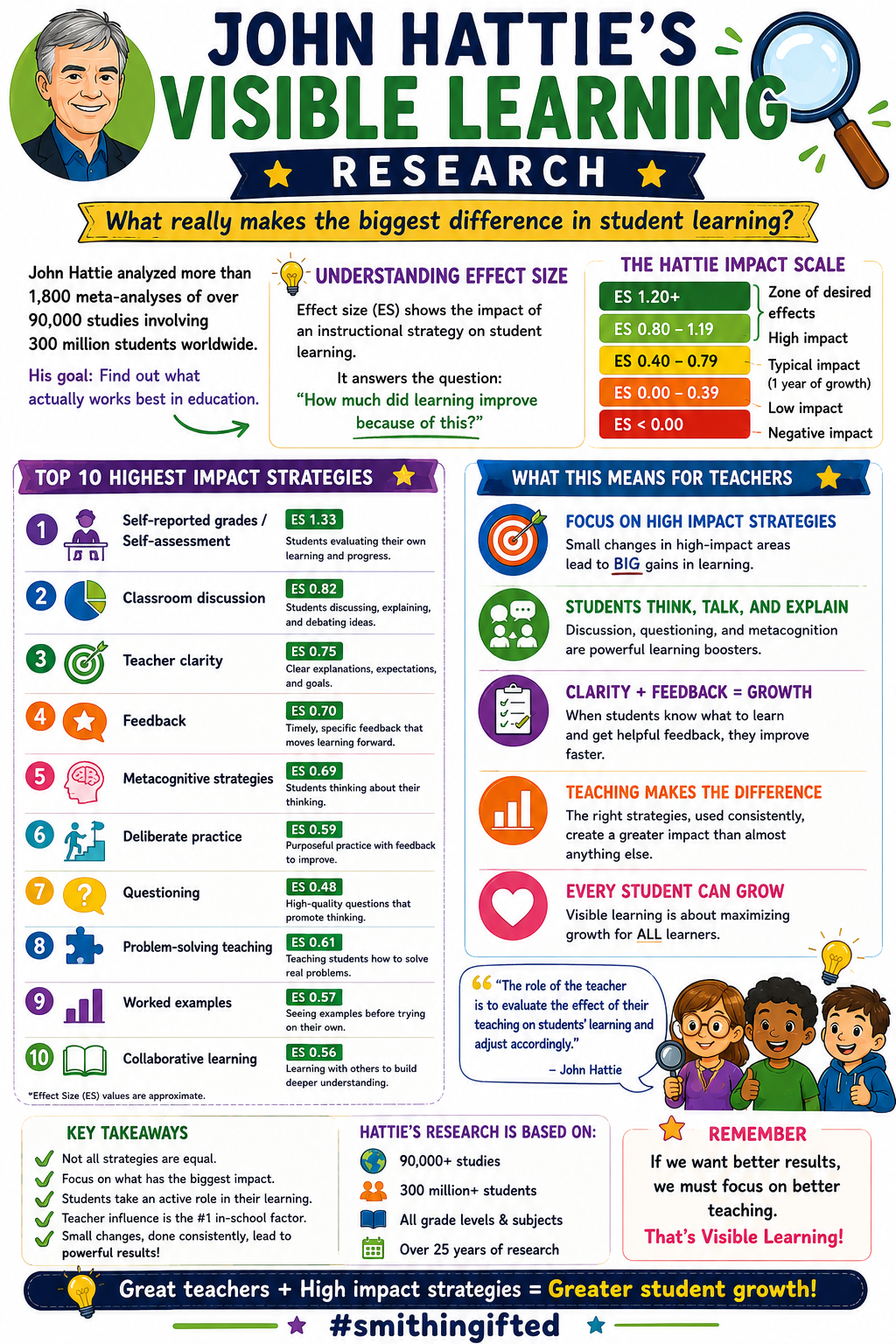
🕵️ Self-Assessment is a powerful part of the Pattern Detective Thinking Lab because it helps gifted learners reflect on their own growth. Instead of focusing only on getting the correct answer, students evaluate how well they identified patterns, explained their reasoning, created original patterns, and taught their thinking to others. By setting goals and recognizing…
-
🕵️ Pattern Detectives: Building the Thinking Skills Gifted Learners Need

🕵️ Pattern Detectives transforms gifted readiness into an exciting mystery-solving adventure! Designed for K–2 students, this engaging #smithingifted Thinking Lab helps children develop pattern recognition, logical reasoning, and critical thinking through hands-on challenges instead of traditional test prep. Students become detectives as they uncover hidden rules, predict what comes next, create their own patterns, and…
-
Using Google My Maps in the Gifted Classroom: Mapping The Global Innovation Lab
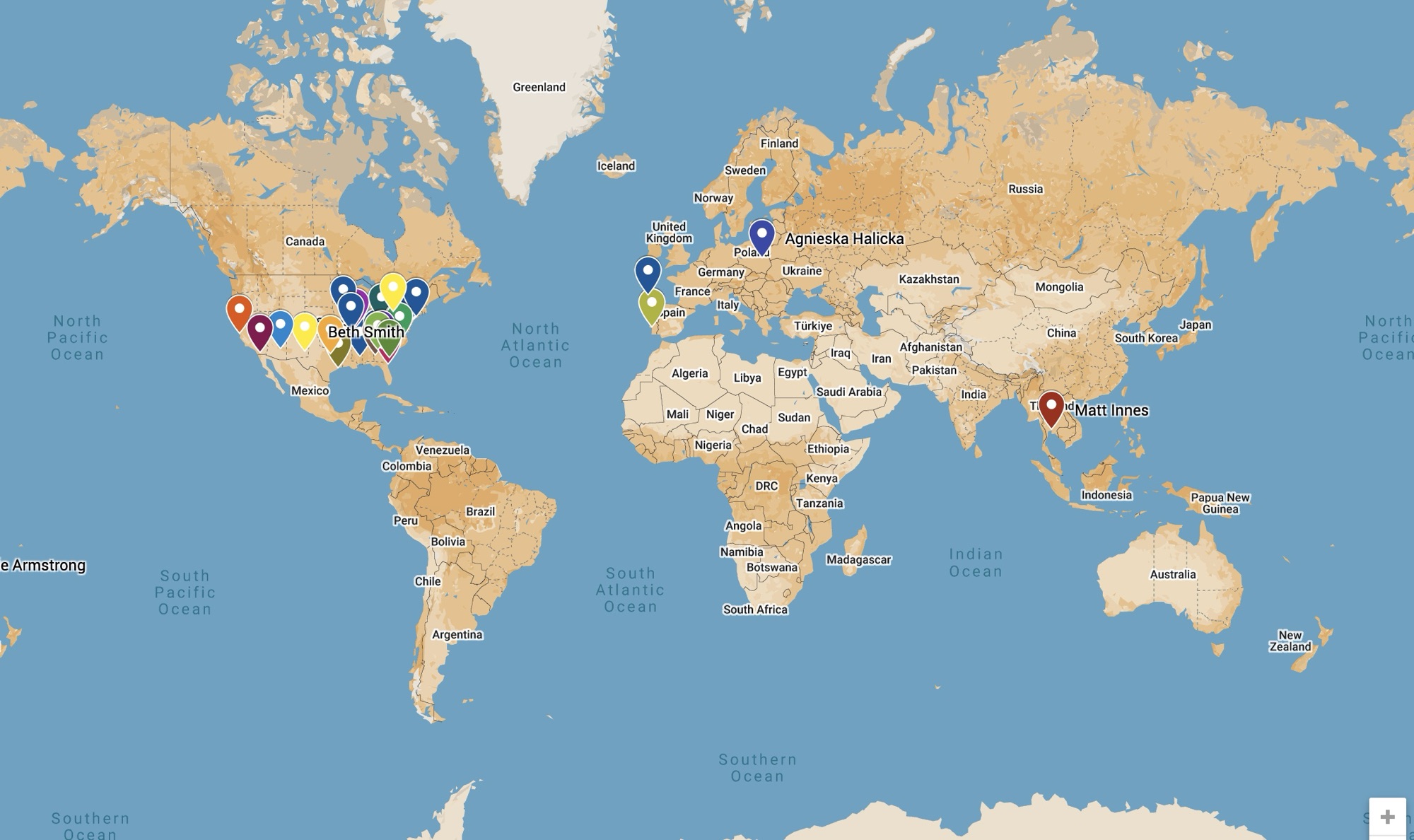
The Global Innovation Lab is growing! 🌎🚀 In this post, I share how Google My Maps is helping us connect classrooms around the world so students can collaborate on real-world challenges like water conservation. If you want your students to think bigger, create meaningful solutions, and learn alongside students from other communities and countries, I…
-
Finding Professional Development That Actually Works for the 3–5 Gifted Classroom 🚀

This blog post shares my love for finding meaningful professional development for the 3rd–5th grade gifted classroom. As a self-proclaimed PD junkie, I’m always looking for fresh ideas that support STEM, coding, robotics, maker education, creativity, and real-world problem solving. One of my favorite PD resources is Infosys Pathfinders, a free platform that offers valuable…
-
Adding Turing Tumble to the #smithingifted Curriculum
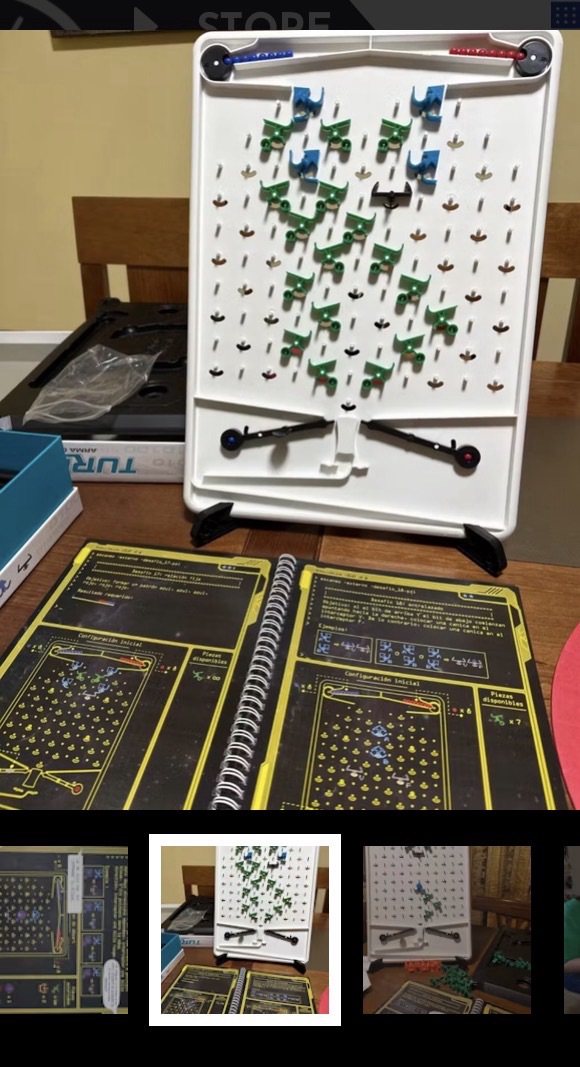
I am adding Turing Tumble to the fourth nine weeks of each year in the #smithingifted curriculum as a hands-on computational thinking milestone. Students work through twelve Google Sheets across 3rd, 4th, and 5th grade, and Turing Tumble gives them something exciting to look forward to while reinforcing logic, perseverance, debugging, and problem-solving.
-
Stop Giving Every Gifted Student the Same Assignment: A Better Way to Differentiate
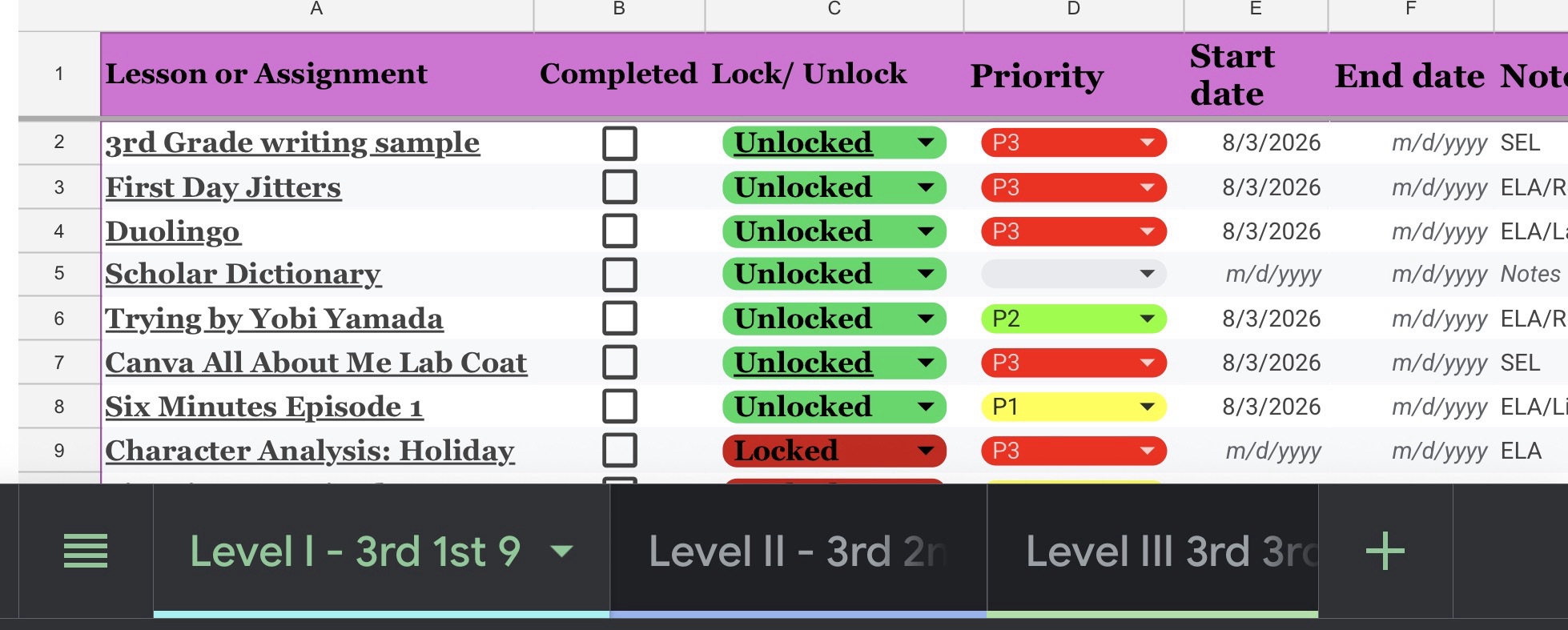
Discover how the #smithingifted curriculum transforms differentiation by allowing gifted students to learn at their own pace through four levels of challenge: Explorer, Engineer, Innovator, and Visionary. Instead of giving every student the same assignment or making advanced learners wait, this approach promotes student choice, independence, creativity, and authentic problem-solving. Learn how self-paced learning, badge-based…